
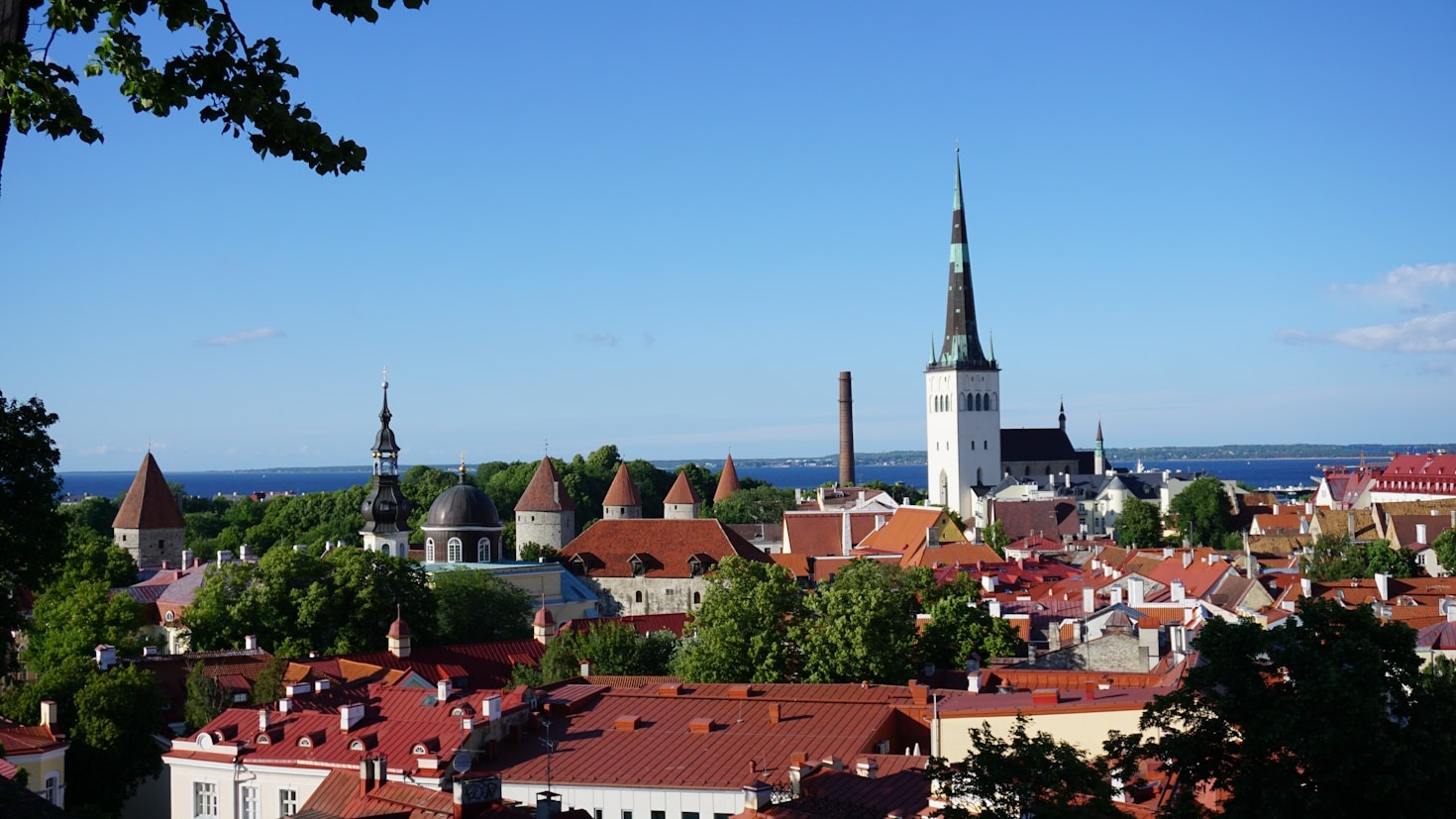
When I moved in 2021 for my Master’s studies, social life in Estonia was the part I understood the least.
I had read about digital services, weather, and living costs. But I wasn’t prepared for social life in Estonia. I didn’t know what evenings and weekends actually look like when you are new here.
I joined ESN TalTech in my first semester at Tatech, hoping it would help me meet people and feel less alone.
That first decision shaped how I saw social life in Estonia: quiet at times, very different from what I was used to. Hence, full of possibilities once you learn where people actually connect.
In this guide, I want to share what social culture in Estonia feels like, the most common challenges newcomers face, and practical ways you can start building your own community here.
Social culture in Estonia: what to expect
First impressions: quiet, reserved, independent
The first thing many newcomers notice in Estonia is how quiet everyday life can feel.
People usually maintain a respectful distance in public, avoid loud conversations on buses or trams, and refrain from starting small talk with strangers simply because they are standing in the same line.
It can feel like people are not interested, but most of the time, this is about valuing personal space and not wanting to disturb others, rather than being unfriendly.
How friendships usually form
Instead of quick “instant friends”, Estonians often build relationships slowly.
Many people have a tight circle from school, university, the army, or long‑term hobbies, and it takes time for a new person to become part of that circle.
Once trust is there, friendships are usually loyal and reliable: when someone calls you a friend here, it often means they are ready to help you, show up on time, and stay in your life for a long period, not just for a season.
Where people actually socialize
Social life in Estonia often grows around activities rather than random chats.
People meet through university organizations, hobby clubs, sports, music, volunteering, or outdoor activities such as trips to forests, bogs, and seaside paths.
Saunas, summer houses, board‑game nights, language cafés, and small gatherings at home are common ways to spend time together, especially once you move from “acquaintance” to “friend”.
Common challenges for newcomers
Feeling like people are distant or uninterested
In the first months, it is very common to feel that people are not interested in getting to know you.
Everyday interactions often stay practical and short, and it is rare for strangers to start casual conversations on public transport or in shops.
For many newcomers, this looks like fewer invitations, fewer “let’s grab a coffee” moments, and a sense that others already have their own circles.
In most cases, this distance is part of Estonian social style, respecting privacy and avoiding pressure, rather than a personal rejection.
Language and context barriers
Even when people speak English well, group conversations can quickly switch back to Estonian, especially among locals who are used to talking that way.
Inside jokes, cultural references, and local news can make it hard to follow everything, so newcomers end up listening more than speaking.
This language and context gap can make it difficult to move from “friendly acquaintance” to someone who feels fully included in the group, and it sometimes pushes foreigners to stay mostly inside international circles instead of mixed ones.
Seasonal factors and lifestyle
Social life in Estonia also changes with the seasons. During the darker, colder months, people often stay home more, meet in small groups, or leave the city on weekends to visit family or spend time in nature.
If you arrive in autumn or winter, the combination of short days, cold weather, and fewer visible events can make the first year feel extra quiet, even if people are actually open to friendships once you get into the right spaces.
How to Build Your Community in Estonia
Start where you already are: work or studies
For most newcomers, the easiest place to start is where you already spend your time: university, language courses, or work.
Study projects, group assignments, and office coffee breaks are natural moments to move from “classmate” or “colleague” to “friend”.
When I arrived in Estonia for my Master’s studies at TalTech in 2021, I joined ESN TalTech almost immediately.
I began as an active member, helped organize events, and even led a group trip to Lapland. Later, I became a board member of ESN Tallinn as a brand manager.
That single decision turned my campus into a social hub instead of just a place where I attended lectures.
Practical ways to use your existing environment:
- Say yes to orientation events, student organization meetings, and after‑work or after‑class gatherings.
- Volunteer for roles that put you in touch with more people, such as organizing trips, events, or social media.
- When you work, use lunches, team events, and internal communities to connect instead of leaving immediately after your tasks are done.
Join international and local groups
If you rely only on your class or office, your social circle can stay quite small.
Joining organized communities, both international and local, gives you more chances to meet people with similar interests and backgrounds.
Over time, I have been part of several groups: ESN, JEF Estonia, Daily Meetups, and now a global marketing community called Powerful Marketers.
Daily Meetups became especially important for me. I started as an active participant, then worked with them for five months as a digital marketing specialist, and today I still join their events regularly.
It gives me both social time and a way to grow professionally.
Places and formats that usually work well:
- Student and youth organizations connected to universities and cities.
- Expat and international communities that host regular meetups.
- Professional communities that organize in‑person gatherings, such as marketing, tech, or startup networks.
- City‑specific Facebook groups and event platforms where locals and foreigners post activities.
The key is not only to join once, but to show up consistently; familiar faces become friends much faster than one‑off interactions.
Use hobbies as your main entry point
Shared activities make conversation much easier, especially in a culture where people are not always used to small talk with strangers.
Sports, creative classes, and outdoor meetups give you something to do together while you slowly get to know each other.
In my case, I tried different things. Joined Kalev Football Club and played with their women’s team for a while.
I used an app called Futpal, which has now been rebranded as Pulse, to find casual football games and social sports meetups.
I have also joined many events I discovered through Facebook and Meetup.com. Each of these hobby‑based spaces brought a slightly different group of people into my life.
Ideas you can try:
- Team sports such as football, basketball, volleyball, or floorball.
- Hiking groups, walking tours, or photography walks in and around the city.
- Book clubs, language exchange meetings, cooking classes, or creative workshops.
Choose one or two activities you genuinely enjoy so it feels natural to keep going back.
Turn online connections into offline friendships
In Estonia, a lot of social life starts online and then moves offline. Event pages, group chats, and DMs are often where people first discover each other.
I regularly use Facebook events, Meetup.com, and different local apps to find gatherings that match my interests.
After an event, it is normal for me to follow someone on social media, send a short message, or join a group chat connected to that community.
Over time, those small online steps turn into coffee meetups, walks, or simply recognizing friendly faces at the next event.
Ways to move from online to offline:
- After an event, send a simple message to someone you got along with: “It was nice meeting you today. Would you like to grab a coffee sometime or join this other event?”
- Comment on local content you genuinely enjoy. Many creators and community organizers remember supportive names and are more open when you meet in person.
- Join group chats linked to communities or events and participate in a relaxed, respectful way.
Mindset: what helps and what to avoid
Building a community in Estonia is rarely about finding one “perfect” event.
It is more about small, consistent actions over several months.
Patience is essential: people may seem reserved at first, but they often become very steady friends once trust is there.
For me, it helped to treat social life like a gentle routine.
I kept showing up at Daily Meetups, stayed active in marketing communities, and continued looking for events through Facebook and Meetup.com instead of waiting for invitations to appear magically.
Some weeks were quiet; others were full. Over time, that rhythm turned into a real network.
Helpful mindset tips:
- Give new connections time, and try not to take it personally if people are slow to open up or to respond.
- Aim for consistency rather than intensity. One or two events a week are enough if you keep returning to the same spaces.
- Protect your own energy by choosing groups and activities that genuinely feel good. It is okay to stop attending events that drain you or do not match your values.
When you combine structured communities, hobby‑based groups, online‑to‑offline connections, and a patient mindset, Estonia slowly shifts from “a place you live” to “a place where you have a community.”
Social Life in Tallinn vs Other Estonian Cities
Tallinn: international and event‑heavy
Tallinn is usually the easiest place for newcomers to start building a social life.
The city has more international meetups, expat events, coworking spaces, conferences, and English‑friendly environments than anywhere else in Estonia.
You can find something almost every weeknight, from language cafés and networking events to concerts, tech meetups, and hobby groups.
Personally, I prefer living in Tallinn because it feels more “alive” and varied than other cities.
If I feel bored or lonely, there is almost always an event, meetup, or café where I can go and see people, even at short notice.
Tartu: student and community feel
Tartu has a different kind of energy. It is smaller and more compact, but full of students and researchers, which gives it a strong campus and community feel.
Many friendships start through university courses, dorm life, and student organizations, and it is often easier to bump into people you know just by walking through the centre.
If you are coming to Estonia mainly to study, Tartu can be a great place to build a tight social circle on and around campus.
There may be fewer big international events than in Tallinn, but the student activities often make up for that.
Smaller towns and rural areas
In smaller towns and rural areas, social life usually moves at a slower pace and is more locally focused.
People often rely on long‑term friend groups, family, and neighbours rather than large public events.
It can take longer to be included, but once you are part of a circle, the connections are often very strong and stable.
For newcomers in these places, it is especially important to join local hobby clubs, volunteering projects, or community centres, and to be patient while people get used to seeing you around.
Red Flags and Healthy Boundaries
Not every group, event, or person you meet in Estonia will be a good fit, and that is completely normal.
Social life here can be slow to build, but it should not feel unsafe, pressured, or consistently uncomfortable.
Trust your gut when you try new spaces. If a group ignores your boundaries, makes you feel guilty for saying no, mocks your background, or constantly pushes you to drink or stay out longer than you want, it is okay to step back or leave.
You do not have to stay just because “there aren’t many options.” There are always other communities to try.
Basic safety still matters: meet new people in public places first, let someone know where you are, and avoid sharing personal details too quickly, especially when connections start online.
These days, I personally avoid environments that feel very heavy on alcohol, drama, or gossip, and I focus on groups where people are kind, respectful, and genuinely interested in building a positive community.
Final Thoughts on Building a Community Here
In my first year in Estonia, my social life felt like a series of separate islands: a few classmates here, an event there, and some quiet weekends where I wondered if I would ever have “my people” in this country.
Joining ESN, going to scattered meetups, and testing different hobbies helped, but it still felt slow and sometimes confusing.
Now, a few years later, my weeks look very different.
I have regular communities I return to, from Daily Meetups to marketing and hobby groups, and I know that if I want company, there are people I can message or events I can join without overthinking it.
The friendships I have built may have taken longer to grow, but they feel steady and real.
I wish I had known earlier that this slow pace is normal here and not a sign that I was doing everything wrong.
If you are just starting, give yourself time, keep showing up in a few good spaces, and protect your energy along the way.
Building a community in Estonia is not instant, but it is absolutely possible, and, in many ways, that slow process is what makes the connections feel so strong once they are there.
FAQs – Social Life in Estonia
Is it hard to make friends in Estonia as a foreigner?
Making friends in Estonia can feel slow at first because many Estonians are reserved, value personal space, and tend to be cautious about starting conversations with strangers.
However, once trust is built, friendships are often deep and long‑lasting. Joining student organizations, hobby groups, and international communities (such as expat meetups or professional networks) makes the process much easier.
Where can I meet new people in Tallinn and other cities?
In Tallinn, you will find the most options: international meetups, expat groups, coworking spaces, language cafés, and events shared via Facebook and Meetup.com.
Tartu has a strong campus scene, so universities, student organizations, and dorm activities are key places to build a circle.
In smaller towns, local hobby clubs, community centres, sports teams, and volunteering projects are usually the best way to meet people.
Do I need to speak Estonian to have a social life?
You can start building a social life with English only, especially in Tallinn and Tartu, where many young people and international communities use English daily.
Learning some Estonian phrases still helps a lot: it shows respect, makes everyday interactions easier, and can be a powerful “icebreaker” when you want to connect more deeply with locals.
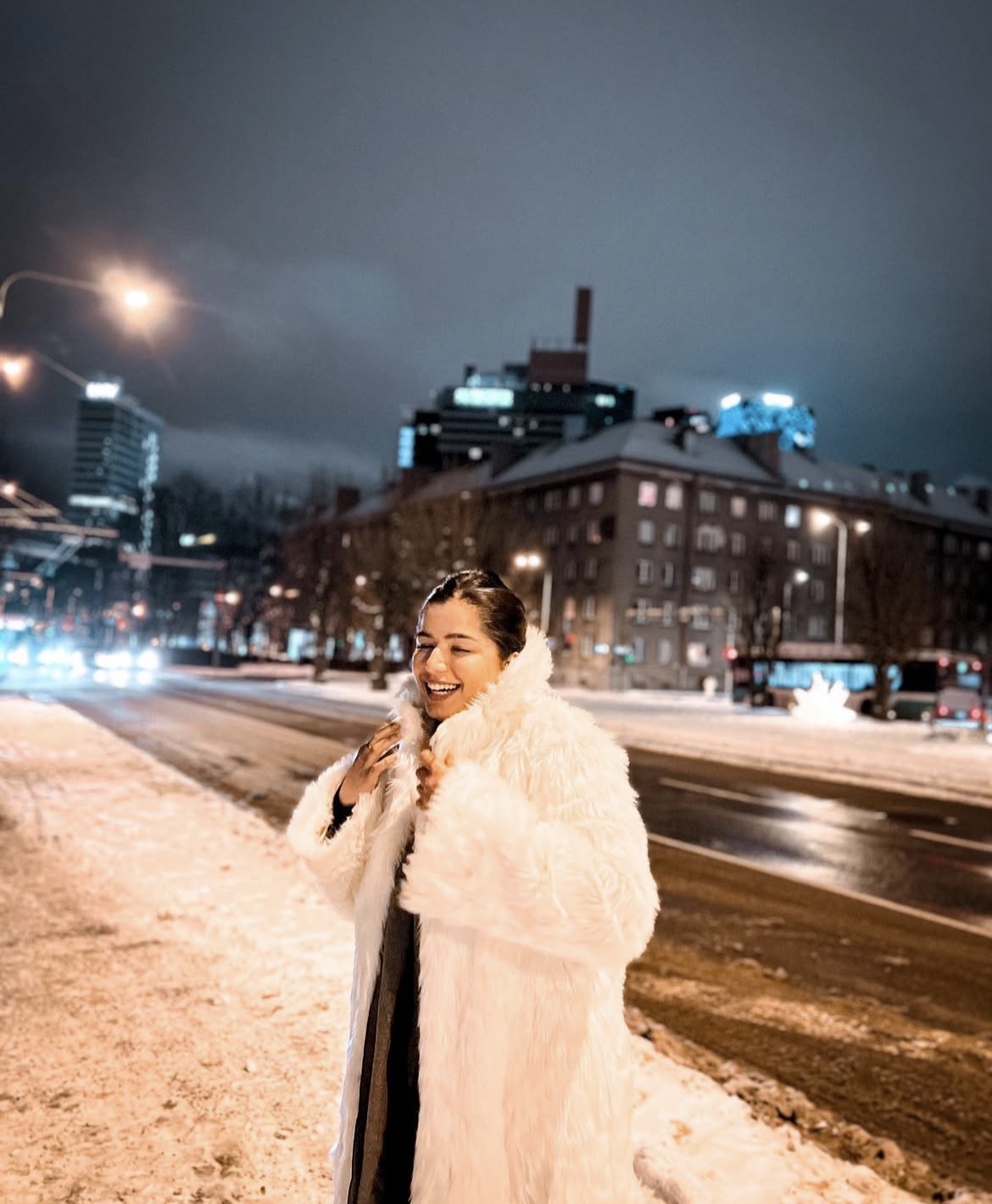
I am a founder building an operating system for independent cafés and a growth marketer who has called Estonia home for more than five years. Between work, life, and slow walks through Estonian cities and forests, I gather small moments that rarely make it into official guides and turn them into videos and blogs for people who are or would like to live in Estonia.