
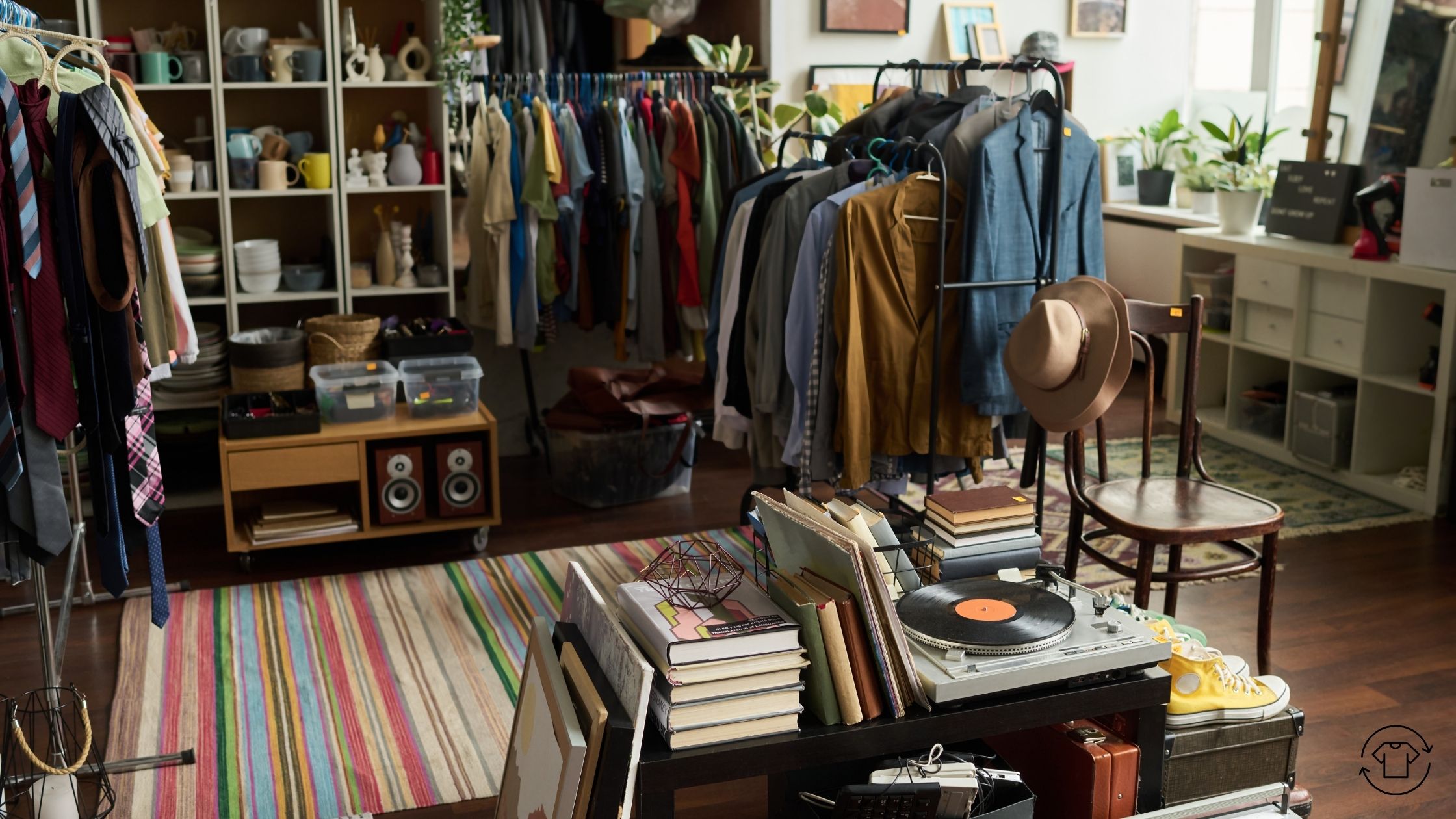
When I first moved to Estonia, I did not have much money to spend on clothes or household items.
One of my very first “survival purchases” was a winter jacket from a Humana store in Tallinn for 25 euros, and it stayed with me for three seasons.
That was my introduction to thrift shopping in Estonia, and it changed how I look at second‑hand forever.
Since then, I have learned that Estonian thrift shops are usually well-organized, surprisingly affordable, and full of good finds if you know where to look and how the system works.
In this guide, I will walk you through thrift culture in Estonia, the main types of shops and platforms, and practical tips that can help both newcomers and locals get the most out of second‑hand shopping here.
- Thrift culture in Estonia: what to expect
- Where to go: main types of thrift shops
- Thrift shopping in Tallinn vs other cities
- How thrift stores work in Estonia (practical details)
- Tips for successful thrift shopping in Estonia
- Sustainable and ethical side
- Quick starter checklists
- My take on thrift shopping in Estonia
- FAQs
Thrift culture in Estonia: what to expect
Thrift and second‑hand shopping fit well with Estonia’s practical, no‑nonsense mindset.
People like saving money, avoiding waste, and giving items a second life, and in the bigger cities, you can really see how the second‑hand scene has grown over the last years.
Many locals mix new and used pieces without thinking twice about it, and it is completely normal to say you bought something from a “kaltsukas” (slang for thrift shop).
You will find several different types of second‑hand places in Estonia. There are classic charity shops run by NGOs or churches, where part of the profit supports social projects.
More curated vintage and boutique stores focus on stylish or branded pieces.
“Komisjonipood” or consignment shops sell items on behalf of private people and pay them a share when something is sold.
On top of that, there are flea markets and seasonal pop‑up sales, plus a very active online resale culture through platforms and Facebook groups.
Together, they make thrift shopping a normal part of everyday life, not just a niche hobby.
Where to go: main types of thrift shops
Charity and budget shops
Charity and budget thrift shops are the most common and usually the cheapest places to start.
These include NGO‑run stores, church or community shops, and bigger low‑priced chains where clothes are often organized by colour, size, or item type.
You usually find everyday clothing, basic shoes, kitchen items, children’s clothes, books, and random homeware for just a few euros per piece.
Curated vintage and boutique second‑hand
Curated vintage and boutique second‑hand shops are smaller and more aesthetic, with carefully selected items on the racks.
Prices are higher than in budget shops, but the pieces are typically better quality, more on‑trend, or genuinely vintage.
These are good places to look for winter coats, leather bags, jewellery, accessories, or a special item you want to keep for years.
Flea markets and special events
Flea markets and special second‑hand events are where the experience feels more like a treasure hunt.
Depending on the event, you might see outdoor tables, indoor halls, or pop‑up markets where people sell clothes, books, decor, and handmade items.
The atmosphere is usually relaxed and social, and prices can be very flexible because many sellers are just clearing out their homes.
Online platforms and apps
Alongside physical shops, there is also a strong online resale culture in Estonia.
People use Facebook Marketplace and local Facebook groups to sell furniture, clothes, and electronics, and platforms like Osta or Vinted are popular for clothing and smaller items.
Most deals work either as in‑person pick‑up or through parcel lockers, which are very common and easy to use across the country.
Thrift shopping in Tallinn vs other cities
Tallinn: the most variety and trendy options
Tallinn has the widest range of thrift options in Estonia. You will find big charity chains, tiny “kaltsukas” hidden in courtyards, and more curated vintage shops that feel almost like boutiques.
There are also far more online listings around Tallinn on platforms and Facebook groups, which makes it easier to buy and sell second‑hand furniture or clothes locally.
Most of my own second‑hand finds have been in Tallinn, simply because there is always another shop or neighbourhood sale to explore when you have time.
Tartu: student city with budget finds
Tartu has a strong student influence, so many thrift shops there are small, simple, and budget‑friendly.
You can often find everyday clothes, textbooks, kitchenware, and small furniture for good prices, and items move quickly as students arrive and leave each semester.
When I visit Tartu, I notice that second‑hand shops feel more integrated into everyday student life; it is normal to hear people say they furnished their room or found winter boots from a local thrift store.
Smaller towns: fewer options but hidden gems
In smaller towns and rural areas, there are fewer shops to choose from, but the ones that exist can be surprisingly cheap and much less picked‑over than in big cities.
Stock often comes from local donations rather than big city trends, so you might find older styles, sturdy home items, and very low prices.
If you happen to travel outside Tallinn and Tartu, it is worth stepping into any small second‑hand shop you see; sometimes the best “hidden gem” pieces show up in places where fewer people are actively hunting for them.
What you can find: categories and prices
Most people go thrifting in Estonia for clothes and shoes, and you can usually build a whole wardrobe this way.
Every day, T‑shirts and tops are often just a few euros, jeans and trousers a bit more, and warm sweaters somewhere in the middle.
In Tallinn, I often see good sweaters in the range of about 5–15 €, and winter coats anywhere from 20–40 €, depending on the shop and brand.
Beyond clothing, many stores also sell homeware (plates, mugs, pots, small decor), books, toys, sports equipment, and sometimes small pieces of furniture.
These items are typically much cheaper than new ones, and you can often find kitchen basics for 1–3 € and books for similar prices.
Quality can vary a lot, so it is worth taking your time to check seams, zippers, and fabric condition, especially on winter coats and shoes.
Look for signs of heavy wear, stains, or stretched material, and do not be afraid to put something back if it does not feel right. There is usually another good find waiting on a different rack.
How thrift stores work in Estonia (practical details)
Most thrift shops in Estonia follow regular shop hours, often opening around 10:00 and closing between 18:00–20:00 on weekdays, with shorter hours on Saturdays and many closed or limited on Sundays.
Card payments are widely accepted, especially in cities, but some very small shops or flea‑market style places may still prefer or only take cash, so it is useful to have a little with you just in case.
Many shops have fitting rooms so you can try on clothes before buying, but return policies are usually strict: second‑hand items are often sold “as is”, with no returns or exchanges unless something is clearly faulty.
“Komisjonipood” or consignment shops work by taking items from private sellers, displaying them for a set period, and then paying the owner a percentage of the sale price if the item sells; if it does not, you typically pick it up again or agree for it to be donated.
Etiquette is simple: handle items gently, put clothes back on hangers, and bring your own bag if you can, as many shops either charge for bags or encourage reusable ones as part of their sustainability focus.
Basic Estonian words like “tere” (hello), “aitäh” (thank you), and “kas saab proovida?” (Can I try this on?) are appreciated, but staff in Tallinn and Tartu usually manage in English if needed.
Tips for successful thrift shopping in Estonia
Choose the right days to visit
Many thrift chains in Estonia, like Humana, refresh stock and start new pricing cycles at the beginning of the month.
Early in the cycle, you can often find the best quality items, but prices are higher; later in the month, prices are gradually reduced, and some shops even end with “everything 1€” type sales.
I like going to Humana in the first few days of the month when the selection is freshest, and then again near the end when discounts are biggest.
Learn a few useful Estonian words
Even if you shop mostly in Tallinn or Tartu, where staff often speak English, basic Estonian words help with signs and tags.
“Kasutatud” means “used”, “suurus” is “size”, “naiste/meeste/laste” are women’s/men’s/kids’, and “soodus” or “allahindlus” means discount.
Understanding these makes it easier to find your section and spot special offers.
Always check the quality and try things on
Take a moment to inspect seams, zippers, buttons, and fabric for holes, stains, or heavy wear, especially on winter coats and shoes.
Whenever there is a fitting room, try items on, because sizes can differ a lot between brands and older clothing.
Once you buy something, it is a good idea to wash it before wearing it.
Set a budget and avoid impulse bags
Because prices can be low, it is easy to walk out with more than you planned.
When I lived in a university dorm in 2021, my apartment mates sometimes came back from Humana with huge bags full of clothes because there was a big sale.
It was fun, but not everything in the bag was actually needed. Decide in advance how much you want to spend and what you are looking for (for example, “one winter coat and two sweaters”) so you do not end up with extra clutter.
Mix online searching with in‑person browsing
Use platforms like Facebook Marketplace, local Facebook groups, Osta, or Vinted to look for specific items such as furniture, electronics, or a particular jacket.
Then treat physical thrift shops and flea markets as places for “serendipity,” where you go without a strict list and are open to good surprises.
Combining both approaches gives you the best chance to find what you need without paying full retail price.
Sustainable and ethical side
Buying second‑hand in Estonia is not just about saving money; it is also part of a growing culture of reuse and waste reduction.
Many thrift chains and reuse centres work with donations and clothing collection containers, giving clothes and textiles a second life instead of sending them straight to landfill.
Surveys show that Estonians are increasingly choosing second‑hand not only for price but also for environmental reasons, with a growing share of people mentioning waste reduction and circular economy as motivations for buying used items.
After more than four years in Estonia, seeing how normal it is to donate, reuse, and sort textiles has changed how I shop, too.
Thrift stores are now my default for many categories, and I think much more carefully before buying anything new, because I know how many good things are already in circulation.
Quick starter checklists
- Decide what you are hunting for before you go, for example, “one winter coat”, “dishes for the kitchen”, or “books for school,” so you do not feel overwhelmed by options.
- Pick one thrift shop or neighbourhood to visit this week and spend at least 30–60 minutes browsing.
- Join 1–2 Facebook groups, Marketplace searches, or apps (like Vinted/Osta) focused on second‑hand items in Estonia.
- Learn a few useful Estonian words: “kaltsukas” (slang for thrift shop), “kasutatud” (used), “suurus” (size), “allahindlus”/“soodus” (di
My take on thrift shopping in Estonia
After living in Estonia for several years, thrift shopping has become a fun and meaningful part of my everyday life.
I love how organized the second‑hand stores are, and how each one has its own personality. My favourite chain is Uuskasutuskeskus.
They have several outlets across Tallinn, with well‑arranged sections, friendly staff, and even cozy touches like couches and big mirrors that make browsing feel relaxed and social.
At Magistrali Keskus, there are also lovely small second‑hand shops in the basement area next to Humana, where I often find charming home decorations and one‑of‑a‑kind pieces.
Honestly, I did not fully understand what “thrifting” meant before moving here, but Estonia showed me that it is not just shopping, it is a community habit built around care, reuse, and discovery.
If you are new to it, treat thrift shopping as a way to explore Estonian life beyond the surface.
Take your time, talk to shopkeepers, and enjoy the hunt; you might walk out with something beautiful for just a few euros and a better sense of the everyday culture that values both quality and sustainability.
Also read: Social Life in Estonia: Culture, Challenges, and Building Your Community
FAQs
Is thrift shopping in Estonia cheap?
Yes, thrift shopping in Estonia can be very affordable. Chains like Humana and Uuskasutuskeskus often have discount days and end‑of‑month sales where prices drop to just a few euros per item.
Do Estonian thrift stores have good-quality clothes?
Most larger second‑hand shops in Estonia sort their items carefully, so you can find many pieces in very good or even like‑new condition. It is still important to check seams, zippers, and fabric quality and to try things on.
I’m a marketer who has called Estonia home for more than four years. Between work, life, and slow walks through Estonian cities and forests, I gather small moments that rarely make it into official guides and turn them into simple videos and blogs for people who are or would like to live in Estonia.